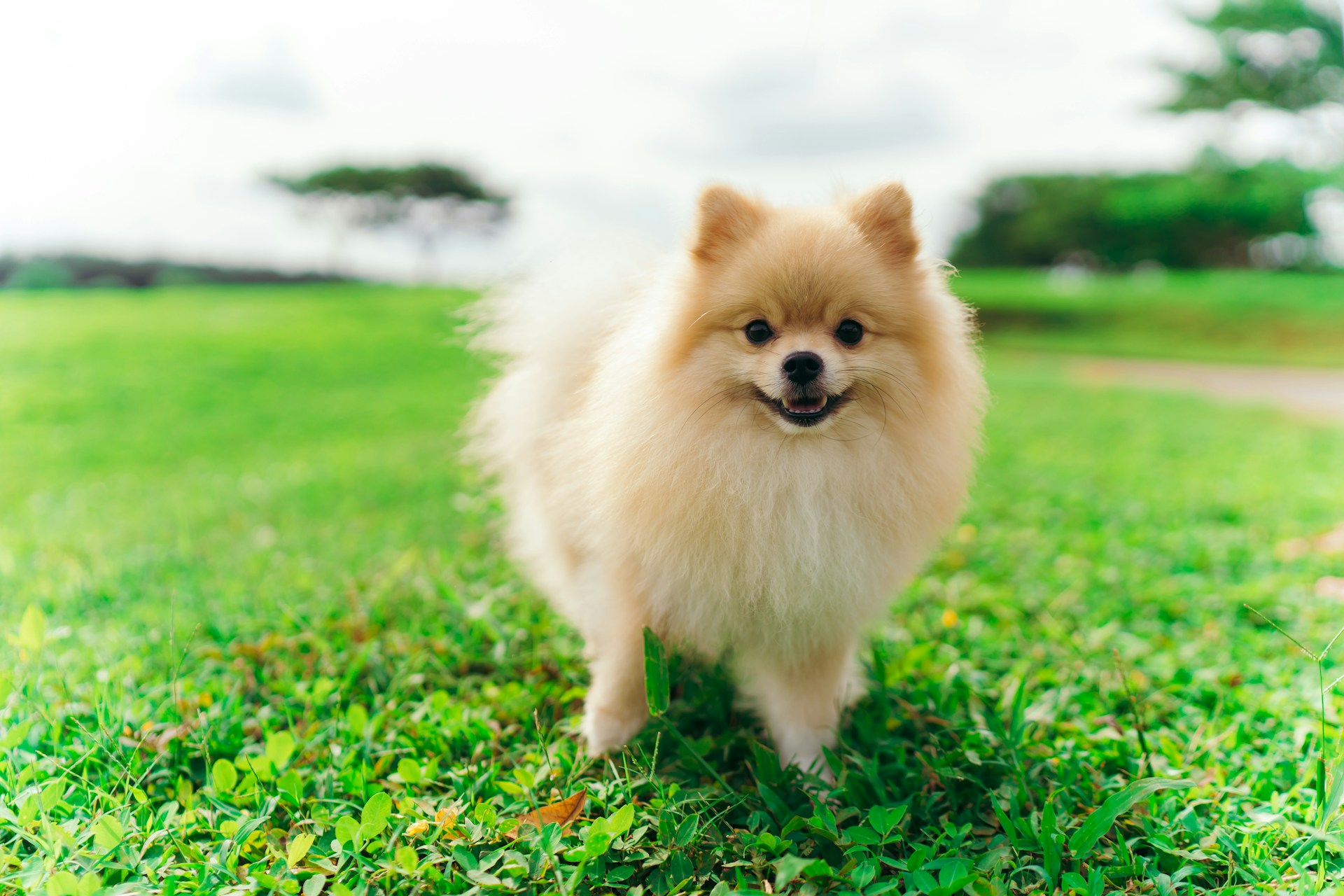
Did you know that extra-small dogs are up to five times more likely to develop periodontal disease than other breeds? This is a fact worth knowing if you have a small dog like a Yorkie, Chihuahua, or Pomeranian. Periodontal disease is the main reason dogs end up losing teeth in the first place. Flat-faced breeds like Pugs, Shih Tzus, and Bulldogs also tend to have more trouble with tooth loss than others.
Because some breeds are genetically predisposed to dental diseases, they often end up needing tooth extractions. And for those dogs, dental cleanings and exams are even more important.
Which Breeds Tend to Need Tooth Extractions?
Toy breeds and small breeds fall victim to dental problems more than any other. Little dogs are genetically predisposed to dental diseases simply because their teeth are larger in proportion to their jaws. This means there’s less bone structure to support each tooth than there is with big dogs. There’s also a lot more crowding.
Little dogs like Yorkies, Chihuahuas, Dachshunds, and Pomeranians have the same number of teeth as much larger dogs, but they’re packed into a jaw a fraction of the size. That crowding traps plaque between their teeth faster than it would in a larger mouth.
Flat-faced breeds like French or English Bulldogs, Pugs, Shih Tzus, Boxers, and Boston Terriers face a similar but slightly different problem. Their short, compressed jaws have to hold a full set of teeth, which often forces their teeth to grow in overlapped or misaligned. That crowding creates tight pockets where food and bacteria collect, speeding up decay in a way that often means they’ll need a tooth extraction far sooner than a dog with a longer snout.
When a Tooth Extraction Is the Right Call
Not every damaged tooth needs to come out, but plenty do. The final decision usually comes down to how much pain your dog is in. Also, whether they’re at risk of further infections.
A tooth that is fractured below the gumline, riddled with decay, or so painful that a dog can only chew only on one side of their mouth is generally better off removed. Pulling a badly damaged tooth almost always brings noticeable relief.
Caring for Your Dog After the Procedure
In the days right after surgery, your dog will need to eat soft food. Take a break from chew toys and tug toys. You might also need to administer a mild pain reliever to keep your dog comfortable while the extraction site heals.
Most dogs get back to their normal, playful selves within a day or two. Plus, they will start eating with more enthusiasm, now that their pain is finally gone.
Tooth Extractions and Oral Surgery for Dogs in the Houston Area
All tooth extractions are performed under full anesthesia, so your dog won’t feel any pain. We will numb the area with a local nerve block. Next, we carefully loosen the tooth from the surrounding bone before we pull it. Finally, our vet will confirm with x-rays that no fragments are left behind.
However, some extractions can get a little more complicated. In difficult cases, oral surgery may be necessary. This might mean we need to section a tooth into pieces before removal. We can address impacted teeth trapped beneath the gumline or repair a jaw fracture that developed because of advanced bone loss
These more involved procedures take extra time and care, but they let us treat complications that a routine extraction alone couldn’t fully resolve. And at the Texas Veterinary Dental Center, your dog is always in safe hands.
Vet Dentist in Stafford, TX for At-Risk Breeds
All dogs need teeth cleanings to remove tartar buildup, but small dogs and flat-faced breeds need them even more than others. If your dog belongs to one of the breeds most likely to lose teeth, don’t wait for symptoms to show up before booking an exam. Our veterinary dentists can treat and prevent many painful problems, so contact us to schedule an exam for your dog today.
Photo by stefanus fandhy on Unsplash with permission under the Creative Commons license for commercial use 7/27/26.