If your dog just had a tooth extraction, you might be standing in the pet food aisle wondering what on earth to put in their bowl. And we admit that it does take some extra thought, especially in the first few weeks after an extraction or for older dogs with significant tooth loss.
Many dogs with missing teeth (especially small breeds and older dogs) do better with a soft food diet. So if you need a little guidance, here’s what to feed a dog who can’t eat dry kibble.
How Do Missing Teeth Affect the Way a Dog Eats?
Dogs do not chew food the way we do. They mostly crush and tear, and many dogs barely chew at all before swallowing. Fortunately, dogs are remarkably adaptable, and they’ll find a way to eat no matter how many teeth are missing.
That said, you may need to make a few adjustments to your dog’s diet, especially if they have had multiple missing teeth or age-related bone loss in the jaw. What matters is where the missing teeth are, how many are missing, and whether or not chewing is painful.
What Should You Feed a Dog with Missing Teeth?
If your dog needs a tooth extraction, your veterinary dentist will advise you on what to feed your pet while their mouth heals and how soon they can start eating kibble again. But if you have a senior dog who is missing several teeth, you might need to switch them to a soft food diet exclusively.
In fact, diet choice can meaningfully affect your dog’s oral health. For example, soft, sticky pet foods cling to teeth, promoting bacterial growth. However, formulated dental chews and dry kibble can actually stimulate saliva and scrape away buildup. Working with your veterinarian to find the right nutritional balance matters, especially for dogs with significant tooth loss.
The best soft foods for senior dogs are:
- Wet or canned food, which requires no crushing or chewing effort
- Dry kibble that has been soaked in warm water or unsalted broth
- Freshly cooked proteins like unseasoned, boiled chicken or turkey
- Commercial soft food formulated for seniors or dogs with dental issues
- Any prescription dental diets or supplements that your vet recommends
What Are the Best Treats for Dogs with Missing Teeth?
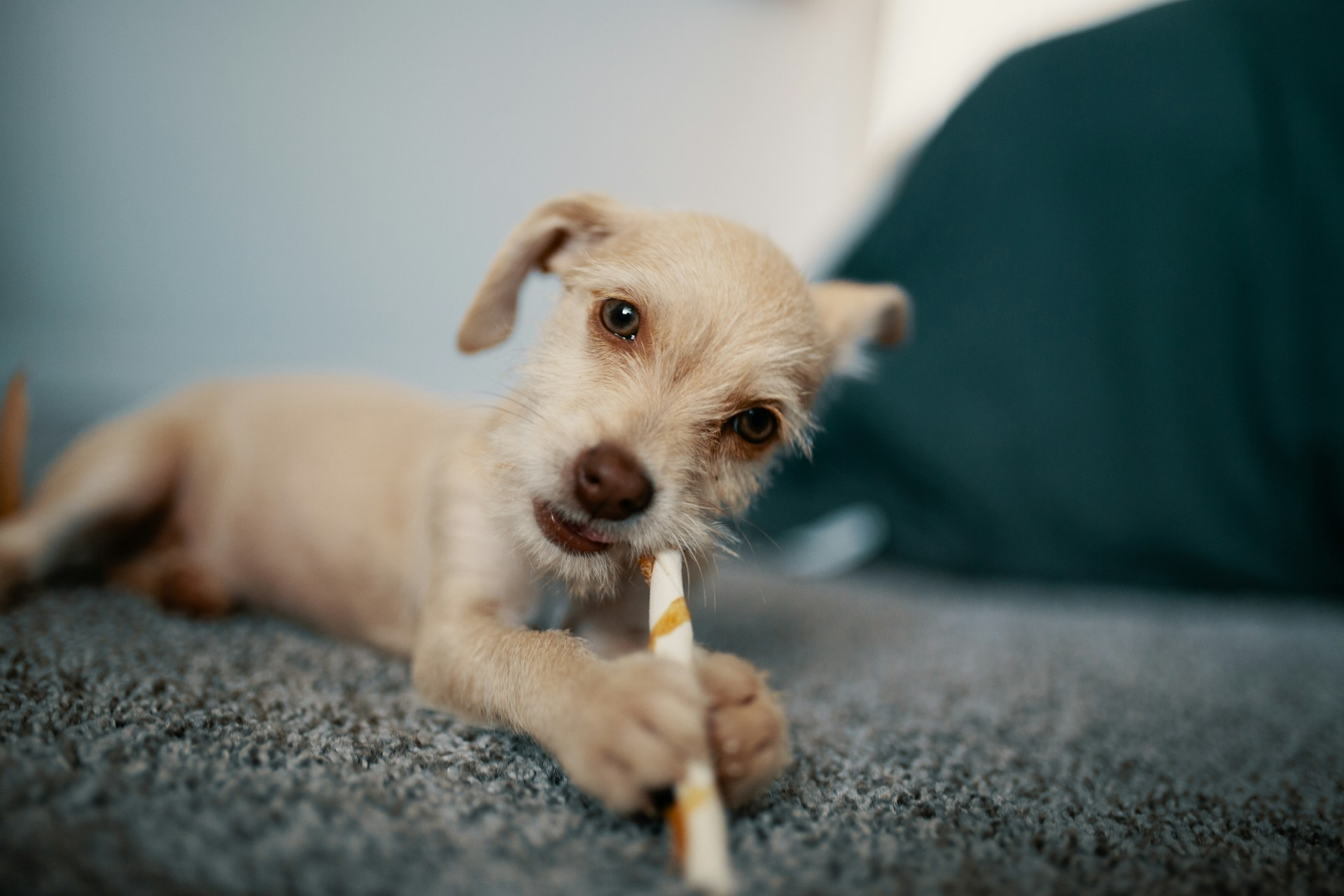
Of course you still want to give your dog treats, and that is completely fine! All dogs deserve treats. You just need to be careful about the type of treats you choose.
For example, most dental chews are too hard for a dog with significant tooth loss or recent extractions. And you should never give your dog real bones, antlers, hooves, or hard chew toys, because they might fracture their remaining teeth and cause new problems.
Treats for dogs with missing teeth should be:
- Soft or chewy rather than hard or crunchy
- Sized appropriately so your dog does not try to swallow a large piece whole
- Easy to digest (just in case they get swallowed instead of chewed)
You can even prepare a few soft treats yourself, like baked sweet potato, steamed carrots, or a lick mat with unsweetened peanut butter or mashed banana.
Dental Care for Dogs in Stafford, Texas
If you notice your dog dropping food, favoring one side of their mouth, or seeming reluctant at mealtimes, tooth pain might be the problem. The infections that cause tooth loss in dogs are extremely painful, but dogs are good at hiding their pain.
Dental cleanings can help prevent tooth loss and the pain that comes with it, so if your dog is due for their annual exam, don’t delay! Our board-certified veterinary dentists can give you a much clearer picture of your dog’s dental health.
And if you’re wondering what to feed a dog with missing teeth, an exam and a conversation with a specialist can make a big difference. Make an appointment at Texas Veterinary Dental Center, and we will help you put together a diet that keeps your dog well-fed and well-nourished.
Photo by Josh Sorenson on Unsplash with permission under the Creative Commons license for commercial use 4/26/26.