Most pets get a cursory dental exam at their annual vet checkup. If their vet notices a lot of tartar buildup or signs of other dental problems, they’ll recommend visiting a dental specialist for an exam and cleaning. A dental exam at a specialty center is far more thorough than what happens during a routine wellness visit. While pets are under general anesthesia, we can clean their teeth, take x-rays, evaluate every single tooth, check for gum disease and more.
Many pet owners worry about putting their pet under anesthesia, but there’s nothing to fear. Your pet’s vitals will be monitored constantly, and we always check to make sure your pet is healthy enough to handle the procedure first. Here’s what to expect at your pet’s dental exam at Texas Veterinary Dental Center.
Awake vs. Anesthetized Dental Exams for Pets
One question we get a lot is whether the awake exam is enough on its own. The honest answer is that it is a starting point, not a complete picture.
Awake and anesthetized dental exams serve two different purposes:
- The awake exam helps us see what is going on at a surface level and decide whether further evaluation is needed.
- The anesthetized exam is where we get some real answers. That is when we probe each individual tooth, measure gum pocket depths, and take dental radiographs that reveal root health, bone loss, fractures and other issues that are difficult to detect.
Think about it this way: a dentist checking your teeth without x-rays and a full probe would miss a lot. But pets can’t hold still for x-rays, and most of them would never willingly let a stranger reach into their mouth with a probe tool. Putting pets under anesthesia for dental cleanings keeps them from getting scared and injuring themselves or others.
What to Expect at Your Pet’s Dental Exam
When you bring your pet to Texas Veterinary Dental Center for an exam, here’s what happens:
- First comes the awake exam. Before any anesthesia is administered, one of our doctors will examine your pet’s mouth visually. This gives us a starting point and helps us identify anything obviously concerning, like broken teeth, swollen gums, or visible tartar buildup.
- Pre-anesthetic bloodwork. Before we move forward with any anesthesia, we do some lab work to make sure your pet is healthy enough for the procedure. This is a safety step we take very seriously.
- General anesthesia. Your pet will be fully asleep for the anesthetized exam, so they won’t be scared. There is simply no other way to accurately examine and clean their teeth. Anesthesia makes the whole process safer for everyone.
- Full charting and imaging. Once your pet is under, diagnostic imaging lets us see what is happening below the gum line and inside the jaw. The majority of dental diseases in pets are invisible to the naked eye, and these diagnostics help us identify them.
What Happens After the Exam
Once the exam is complete, you will get a thorough report of what we found. If there are any issues, we will walk you through the options, whether that means more frequent cleanings, treatment for periodontal disease, a tooth extraction, or something more involved.
Dental exams do not have to be mysterious or intimidating. We make it our job to keep you informed every step of the way. Nothing happens without your understanding and consent, and our doctors take the time to make sure you leave knowing exactly what is going on in your pet’s mouth.
Pay a Visit to Texas Veterinary Dental Center in Stafford
Dental diseases are some of the most common (and most painful) problems that pets face. Problems like tooth resorption are very common in cats, and periodontal disease in dogs is similarly widespread. These are not rare problems. But they can be difficult to detect without diagnostics like dental x-rays.
If your pet is due for a dental exam or if you have noticed signs like unusually bad breath, reluctance to eat, or pawing at the mouth, now is a good time to act. Contact us to schedule an appointment and find out exactly what is going on with your pet’s oral health.
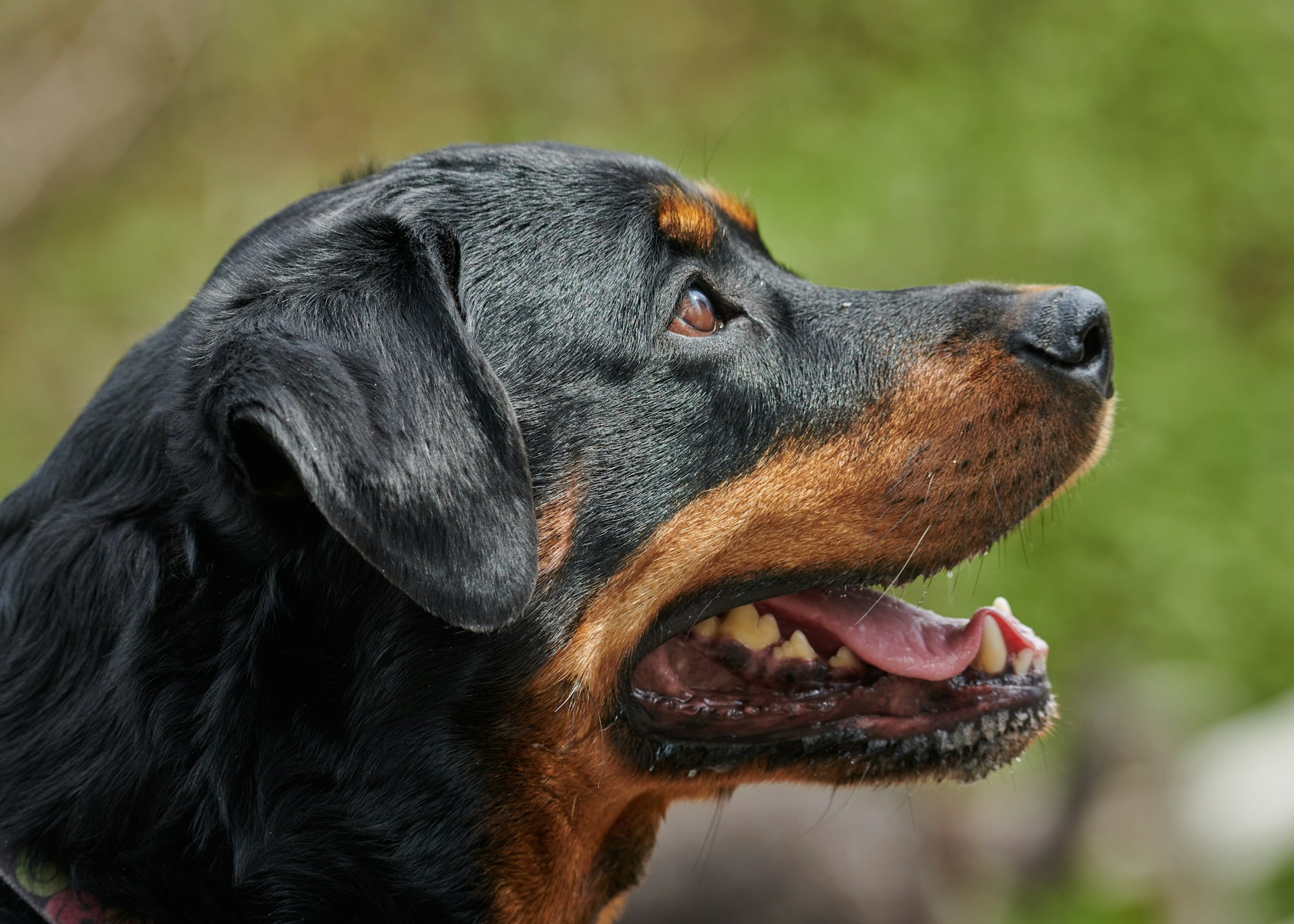
Photo by Steve Smith on Unsplash with permission under the Creative Commons license for commercial use 4/13/26.