
Oral tumors make up around 6% of all cancers found in dogs and cats. They can show up in the gums, tongue, or roof of the mouth, and some are far more aggressive than others. A lump or bump in your pet’s mouth isn’t always a cause for panic, but it definitely deserves a closer look.
The signs of illness in pets are often easy to miss, because pets rarely show pain the way we’d expect them to. When something seems “off” with your pet, it’s worth a trip to the vet. Some blood on their favorite chew toy or a sudden lack of appetite could indicate a very serious problem.
Here are a few common signs of oral cancer in pets:
- A lump, swelling, or discoloration anywhere in the mouth
- Bleeding that shows up on toys, bedding, or food bowls
- Extremely bad breath that smells rotten
- Trouble chewing, or a sudden preference for soft food
- Weight loss without any change in appetite
Signs of Oral Cancer in Dogs
Dogs with an oral tumor often show a combination of symptoms. Watch for drooling that seems heavier than usual, one-sided chewing, or ignoring their favorite chew toys. If you’ve noticed your dog is missing teeth, that can also be a sign of oral cancer.
Signs of Oral Cancer in Cats
A cat who turns down food, loses weight without explanation, or starts drooling could be dealing with a mass or tumor. Extremely bad breath is another sign. Bad breath often gets brushed off as normal for pets, but a sudden or unusual change in odor is worth mentioning to your vet.
Oral Surgery for Pets in Houston
When a biopsy confirms a tumor, oral surgery is often the next step. Removing the cancerous mass along with a margin of healthy tissue prevents recurrence and gives your pet the best shot at a full recovery. We use a combination of Cone Beam CT technology and radiographs (x-rays) to map out exactly how much tissue must be removed.
What Happens After Surgery?
It will take some time for your pet to recover. They’ll need pain medication, a special diet, and constant monitoring. They’ll also need to wear a cone collar for a while, to keep them from pawing at their mouth for one to two weeks as they recover.
In the meantime, you’ll also be working with your vet or a veterinary oncologist to develop a treatment plan. Depending on the type and location of the tumor, your vet may recommend further treatments like chemotherapy or radiation.
Why All Pets Need Dental Exams
Most oral tumors are actually found during a routine dental exam, well before a pet’s owner notices anything at home. That’s part of why annual visits matter so much, even for pets who seem completely fine. Oral exams happen under anesthesia, so our doctors can see and feel areas of the mouth that are impossible to check while a squirming pet is awake.
Here’s what a typical appointment involves:
- A full mouth exam: The vet team goes tooth by tooth, checking for pockets around the gums, any looseness, or cracks that might not be obvious just from looking.
- Diagnostic imaging: More than half of dental problems in pets are actually happening below the gumline, in places you’d never be able to see without x-rays.
- A dental cleaning: Tartar and plaque get scraped away above and below the gumline, and then everything gets polished up so the surface stays smoother for longer.
Concerned About a Lump? Schedule a Pet Dental Exam in Stafford
If you’ve spotted a lump, noticed bad breath that won’t go away, or your pet just seems off around mealtime, don’t wait for the signs of oral cancer in pets to get worse. The sooner your pet gets care, the better their outcome will be. Our team at Texas Veterinary Dental Center is here to take a look, answer your questions, and offer treatment. Reach out today to schedule an exam.
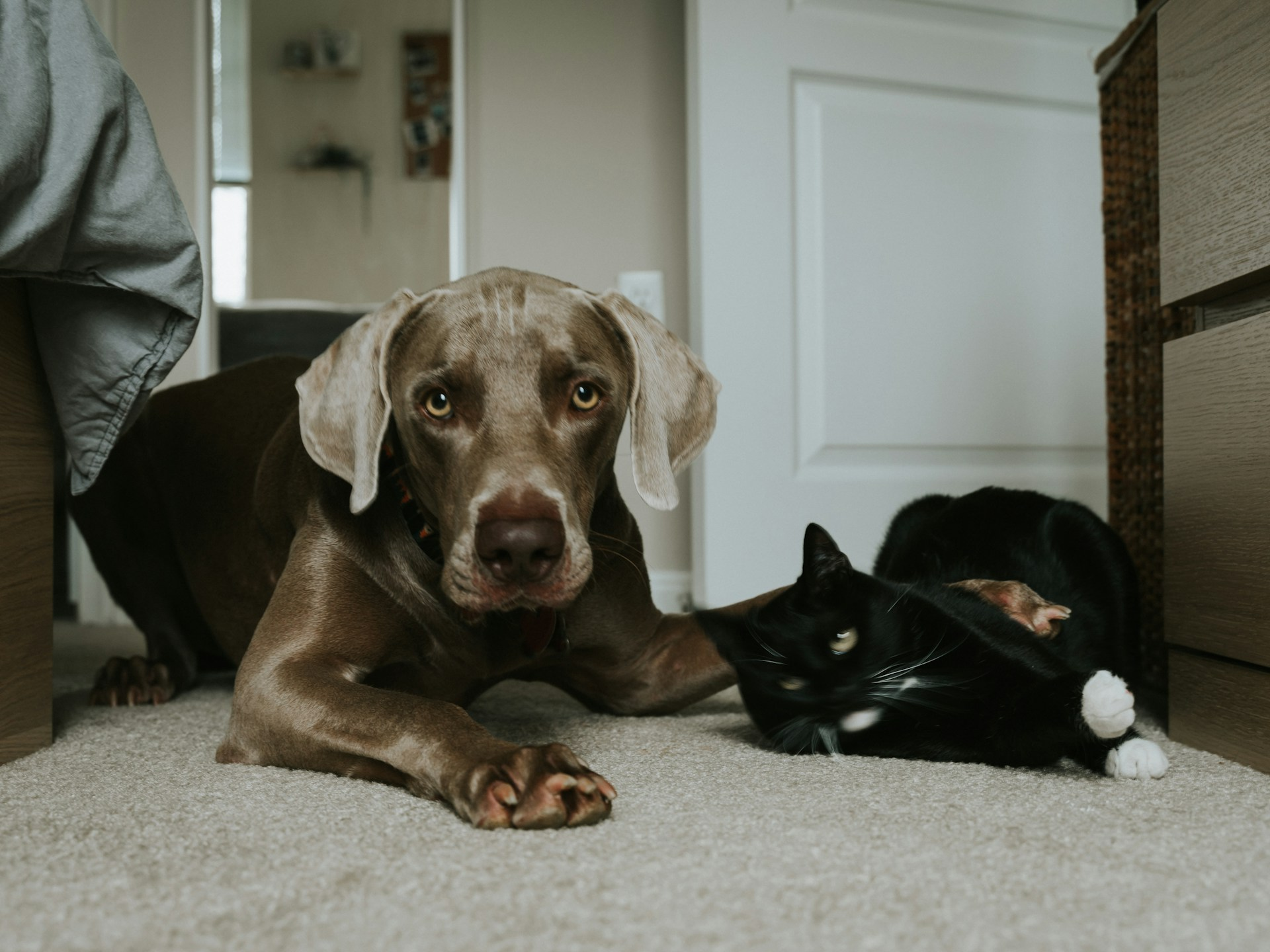
Photo by Tatiana Rodriguez on Unsplash with permission under the Creative Commons license for commercial use 8/7/26.