Proper care for your pet after oral surgery is crucial to ensure their comfort and promote healing. Below, we share some effective strategies.
Tips for Caring for Your Pet After Oral Surgery
- Pain Medications: Non-steroidal anti-inflammatory drugs (NSAIDs) or opioids may be prescribed to manage pain. Ensure to administer them as directed. Most oral surgery patients require pain medications 4-7 days after surgery.
- Monitoring: Keep a close watch on your pet for signs of pain, such as whimpering, not eating, excessive licking at the surgical site, or changes in behavior.
- Soft Diet: Provide a soft, easily chewable diet for two to three weeks post-surgery to avoid discomfort and irritation at the surgical sites. Soft diets include canned food or adding water to dry kibble.
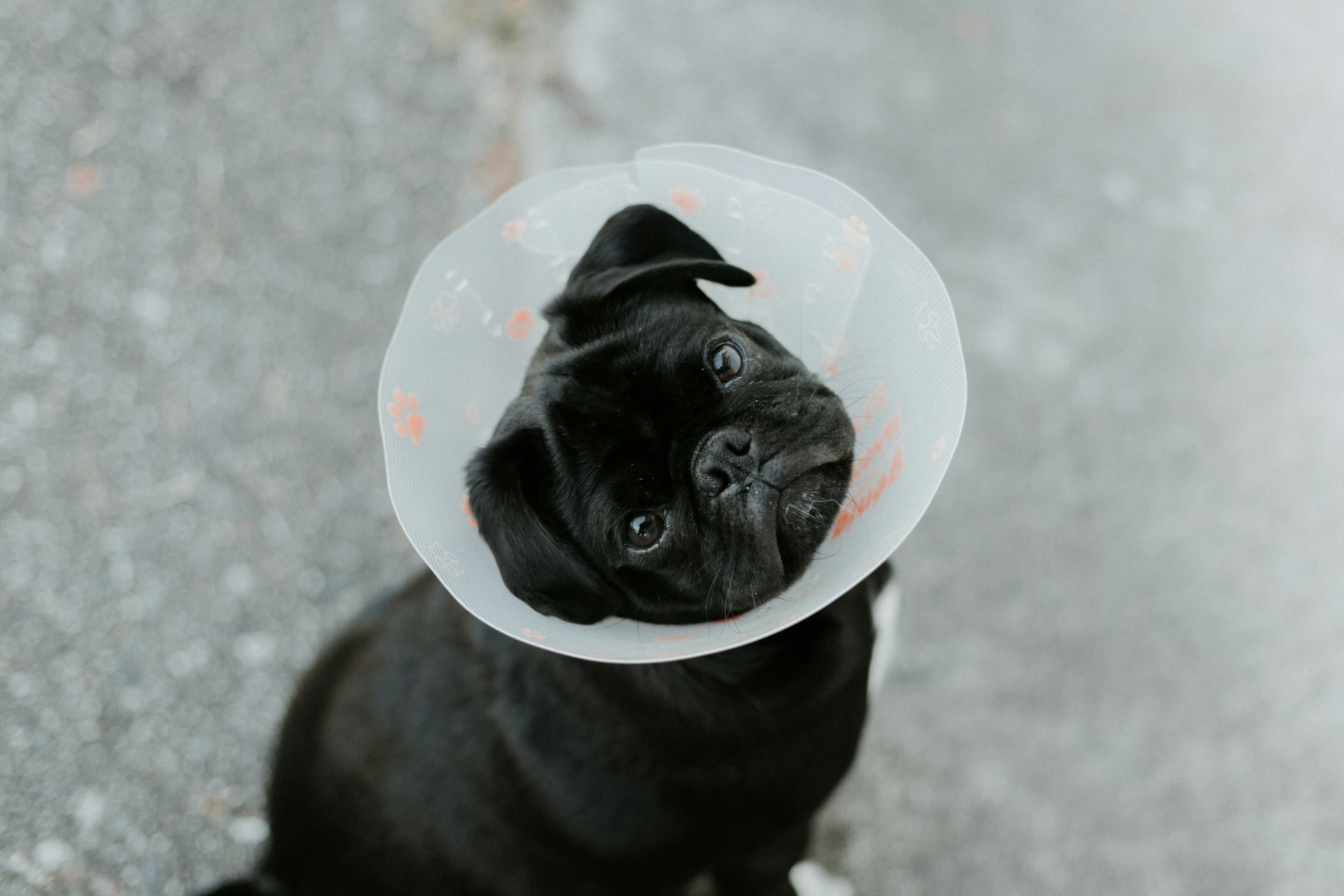
- Elizabethan collar: Pets, especially dogs, may need to wear an Elizabethan collar (also known as an E-collar) after oral surgery to prevent them from pawing at their face/surgery sites. This prevents complications like suture removal or reopening of the incision, which can prolong healing and may require further surgical intervention.
- Follow-Up Visits: Attend any scheduled follow-up appointments to check healing progress and adjust pain management if necessary.
Schedule an Oral Exam for Your Pet in Houston
Using these methods can significantly enhance your pet’s recovery experience and overall well-being after oral surgery. Call our office today to schedule an oral exam!
Images used under creative commons license – commercial use (9/23/2025). Photo by Priscilla Du Preez 🇨🇦 on Unsplash