
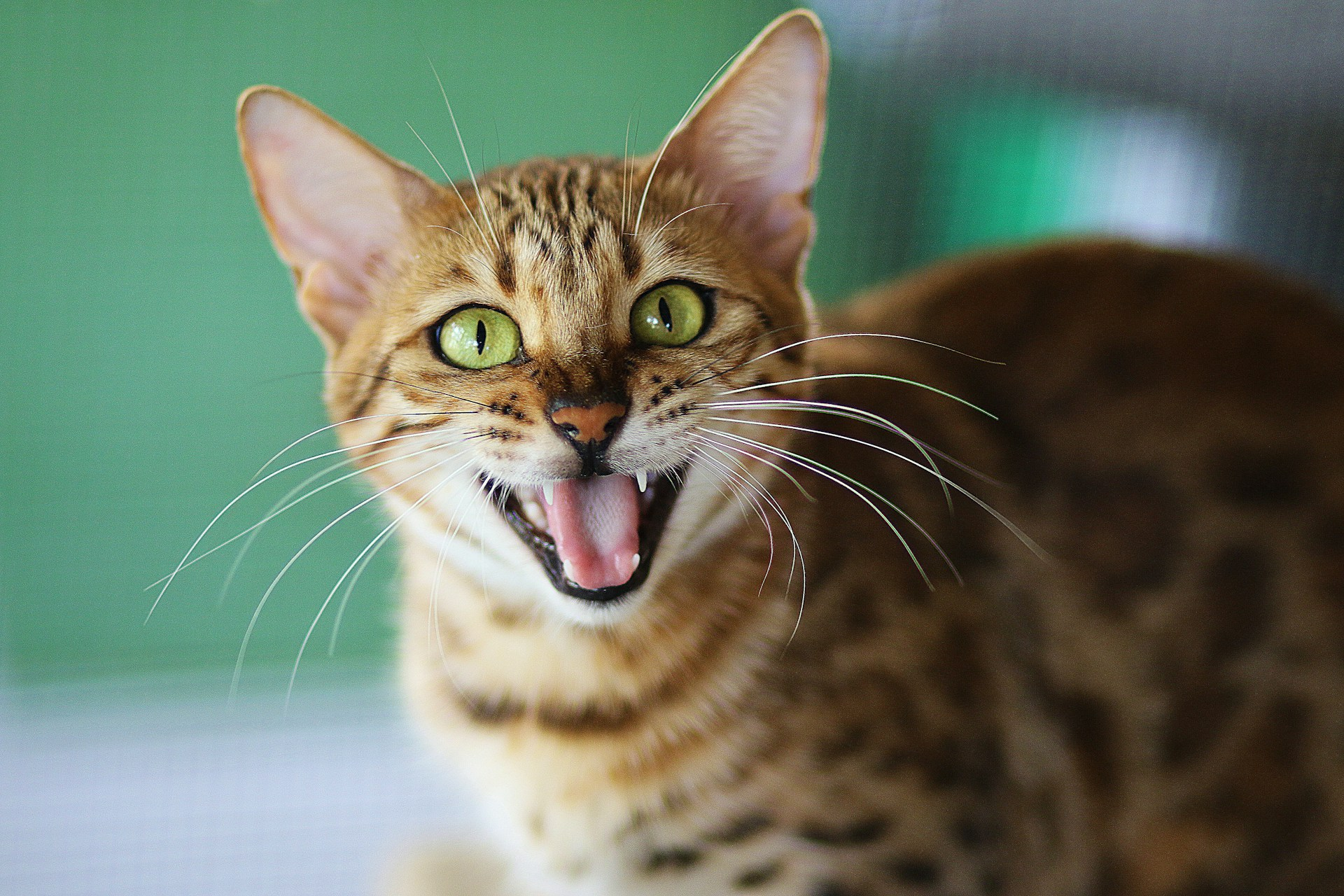
When Sarah adopted her tabby, Biscuit, he was already eight years old. He was still playful, eating well, and seemed perfectly healthy. But suddenly Biscuit stopped eating. He would sometimes eat wet food, but he ignored his kibble completely.
At first, Sarah thought that Biscuit was just being picky. But because she was worried, she scheduled a vet visit. A dental exam showed that Biscuit was suffering from tooth resorption, a painful condition that causes tooth loss in many older cats.
Is It Normal for Cats to Lose Teeth as They Get Older?
There is only one time in a cat’s life when losing teeth is totally expected, and that is during kittenhood. Kittens lose their baby teeth between about three and six months of age as their adult teeth grow in.
After that, a healthy adult cat should hold onto all 30 of their teeth for the rest of their life. So when adult cats start losing teeth, it is not just “getting older.” It is a sign that something has gone wrong, and it usually means your cat has been quietly dealing with tooth pain for a while.
Some of the most common reasons for tooth loss in cats include:
- Tooth resorption, a painful condition where the tooth essentially breaks down from the inside out. More than half of cats over the age of three are affected by this disease.
- Periodontal disease, a chronic gum infection that gradually destroys the gum and bone tissue supporting each tooth
- Trauma or injury to the mouth from a fall or accident
- Severe, untreated tooth infections or a dental abscess
None of these reasons for tooth loss are things that just happen naturally with age. Although they are conditions that develop over time, many can be treated or prevented. Keep a close eye on your cat, and if they’re showing any signs of tooth pain, schedule a veterinary dental exam.
Signs of Tooth Pain in Cats
Tooth loss is one of the most common health issues in cats, yet it often goes completely under the radar. The signs are often there, but they are easy to miss if you do not know what to look for. That’s because cats are hard-wired to hide their pain when they’re hurting.
In the wild, showing vulnerability is dangerous, and even the most pampered house cat carries that instinct. That means the signs of tooth pain in cats can be incredibly subtle, and easy to explain away as “just getting older” or “being picky.”
Keep an eye out for signs of tooth pain like:
- Dropping food while chewing or suddenly preferring soft food over crunchy kibble
- Chewing only on one side of the mouth
- Pawing at the mouth or rubbing their face on furniture
- Drooling
- Red, swollen, or bleeding gums
- Bad breath that seems worse than normal
- Decreased appetite or unexplained weight loss
- Becoming less social or flinching when touched near the face
What Happens If Tooth Loss Goes Untreated?
When a damaged or infected tooth is left alone, it can cause tooth loss and be extremely painful for your cat. But it doesn’t stop there.
Bacteria from dental infections can enter the bloodstream and, over time, infect other organs. And tooth loss also affects something immediate and everyday: your cat’s ability to eat comfortably. Cats with tooth pain tend to eat less, lose weight, and become less active, all things that tend to get chalked up to “slowing down with age.”
Treatment will depend on the extent of the damage:
- Sometimes tooth extractions are the kindest option, especially for teeth that are too far gone to save.
- When gum disease is the main issue, periodontal therapy for cats can halt progression and protect the remaining teeth.
Your Cat’s Dental Health Deserves Attention
Tooth loss in cats is common, but it is not inevitable, and it is never something to wait out. The sooner a problem is detected, the more options there are and the less pain your cat has to suffer.
If you have noticed any signs of tooth pain like changes in appetite or unusually bad breath, now is a great time to do something about it. Contact the Texas Veterinary Dental Center in Stafford to schedule an exam today.
Photo by Kim Davies on Unsplash used with permission under the Creative Commons license for commercial use 3/19/26.