
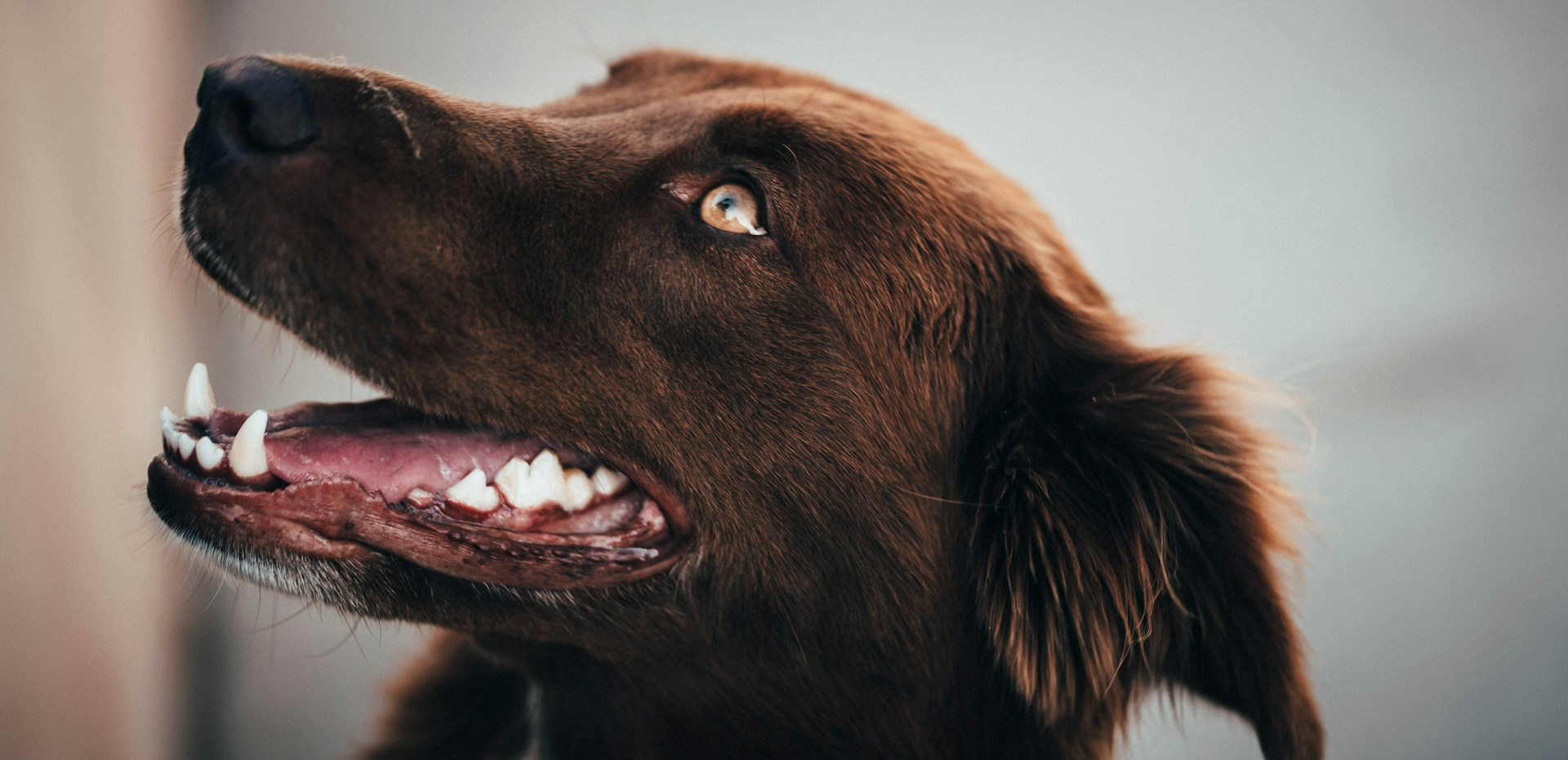
A lot of people wonder if brushing their pet’s teeth actually does anything, or if it’s even necessary. But just like us, pets can get gum disease and suffer from tooth decay. Since they can’t brush their own teeth, pets often end up losing any teeth that get infected. If you can manage to brush your pet’s teeth every day, they stand a much better chance of keeping all their teeth.
What You Need to Start Brushing Your Pet’s Teeth at Home
You only need three things to start brushing your pet’s teeth at home:
1: A pet-specific toothpaste
Next time you’re at the pet store, look for a cat- or dog-specific toothpaste in a flavor that your pet likes. Never use your own toothpaste to brush your pet’s teeth! Toothpaste for people contains ingredients that can be toxic to pets, like fluoride, foaming agents, and xylitol.
2: A pet toothbrush in the right size
Pet toothbrushes are designed with angled handles so you can brush your pet’s teeth more easily. A silicone finger brush or a child-sized toothbrush will work, too.
3: A high-value treat for afterward
Most cats and dogs respond to treats! Rewarding your pet with their favorite treat will help them learn to tolerate the toothbrush.
How to Get Your Pet Used to You Brushing Their Teeth
The first step in getting your pet’s teeth cleaner is teaching them to enjoy getting their teeth brushed.
Try to make them think it’s a treat! Put a dab of toothpaste on your finger and let your pet lick it off. If they like the taste, lift their lip and rub your finger along the outer gum line. Next, let them sniff and lick the paste off the brush before you use it to make gentle contact with their teeth. Follow every session with a treat, a cuddle, or dinner.
If your pet gets stressed, stop and try again later. Never force it or rush it!
As they get used to it, you’ll be able to brush their teeth longer. Ten seconds is good, and in time you’ll be able to go for 30 seconds or longer. The more time you can spend brushing your pet’s teeth, the better. That’s the next step in getting their teeth cleaner, but knowing how to brush their teeth correctly makes a big difference, too.
Best Techniques for Brushing Your Dog’s Teeth
Most plaque builds up on the outer, cheek-facing surfaces of a dog’s teeth, so focus on those areas. Angle the bristles about 45 degrees toward the gum line and use small, gentle circles. Spend 30 seconds to a minute on each side, with extra time on the canines and big back molars.
Brush your dog’s teeth daily if you can, and at least three times a week to keep plaque from turning into tartar.
Best Techniques for Brushing Your Cat’s Teeth
Cats wiggle, so setup matters. Sit with your cat’s hindquarters snug against your body, or wrap them in a towel like a little “purrito.” Tilt their head back slightly and pull back the lips on one side. You don’t need to pry their mouth open; aim to brush the outside of the teeth, since a cat’s rough tongue keeps the inside surfaces cleaner.
Hold the brush at a 45-degree angle to the gumline. Move the brush in small circles or short back-and-forth strokes. Brush for 30 seconds on each side, and keep those kitty treats handy.
What to Look for When You Brush Your Pet’s Teeth
Brushing your pet’s teeth also gives you a chance to get a look inside their mouth. Watch out for signs of tooth decay like:
- Yellow or brown tartar, especially near the gum line
- Gums that look red, swollen, or puffy instead of firm and pink
- Bleeding when the brush touches the gums
- Chipped or cracked teeth
- Loose or missing teeth
- Bad breath that lingers after brushing
If you notice any of these warning signs, make a vet dental appointment. A thorough cleaning and diagnostic imaging will reveal any hidden problems, and early treatment will spare your pet a lot of pain.
Schedule a Dental Checkup for Your Pet
We hope these tips for brushing your pet’s teeth will help! But don’t forget that teeth cleanings are necessary as well. It takes a skilled pet dentist to remove months or years of tartar buildup. And if your pet has any dental problems like tooth fractures or tooth resorption, they will show up during an exam.
If your pet is due for a dental checkup or if they haven’t had one yet, don’t put it off. Contact Texas Veterinary Dental Center in Stafford to schedule an exam and dental cleaning for your pet today.
Photo by Brian Brxtn on Unsplash used with permission under the Creative Commons license for commercial use 10/2/26.