Malocclusion in dogs refers to improper alignment of the teeth and jaws, which can lead to various dental issues and discomfort.
Common malocclusion problems include:
- Class I Malocclusion: This is a normal bite, but certain teeth are misaligned. This can lead to crowded or rotated teeth.
- Class II Malocclusion (Overbite): The upper jaw is longer than the lower jaw, causing the upper teeth to overlap the lower teeth significantly.
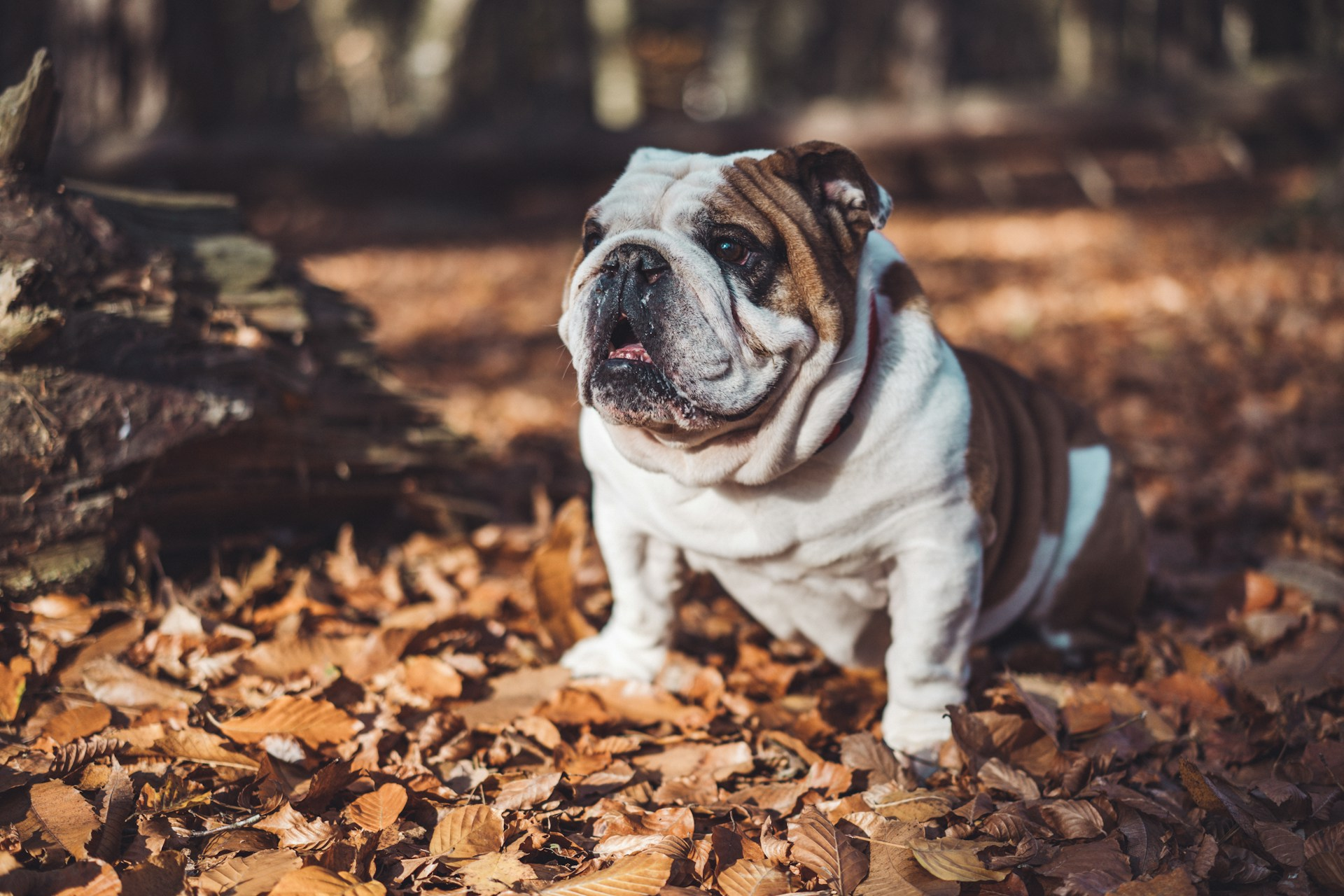
- Class III Malocclusion (Underbite): The lower jaw protrudes past the upper jaw, resulting in lower teeth being positioned ahead of the upper teeth. This type of malocclusion can be considered breed standard in certain dogs such as Boxers, Bulldogs and Shih Tzus.
- Class IV Malocclusion (wry bite): A condition where the upper and lower jaws are not symmetrical, resulting in a misalignment that can affect one or both sides of the face.
The Importance of Veterinary Dental Care
Regular veterinary dental check-ups can help identify and address malocclusion issues early. Not all malocclusions require treatment. If treatment is warranted, treatment options may include orthodontic interventions, dental surgeries, or extractions. The main goal of malocclusion treatment in dogs is to achieve a comfortable and functional occlusion, meaning a bite that allows the dog to eat, drink, and play without pain or discomfort.
Schedule Your Dog’s Next Check-Up
Call our office today to schedule an oral exam for your dog with a Houston veterinary dentist.
Images used under creative commons license – commercial use (9/10/2025). Photo by Sébastien Lavalaye on Unsplash